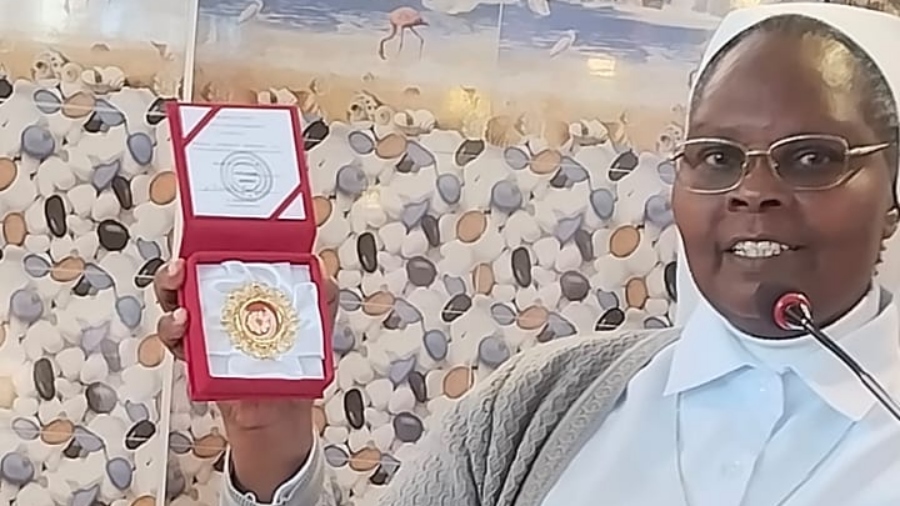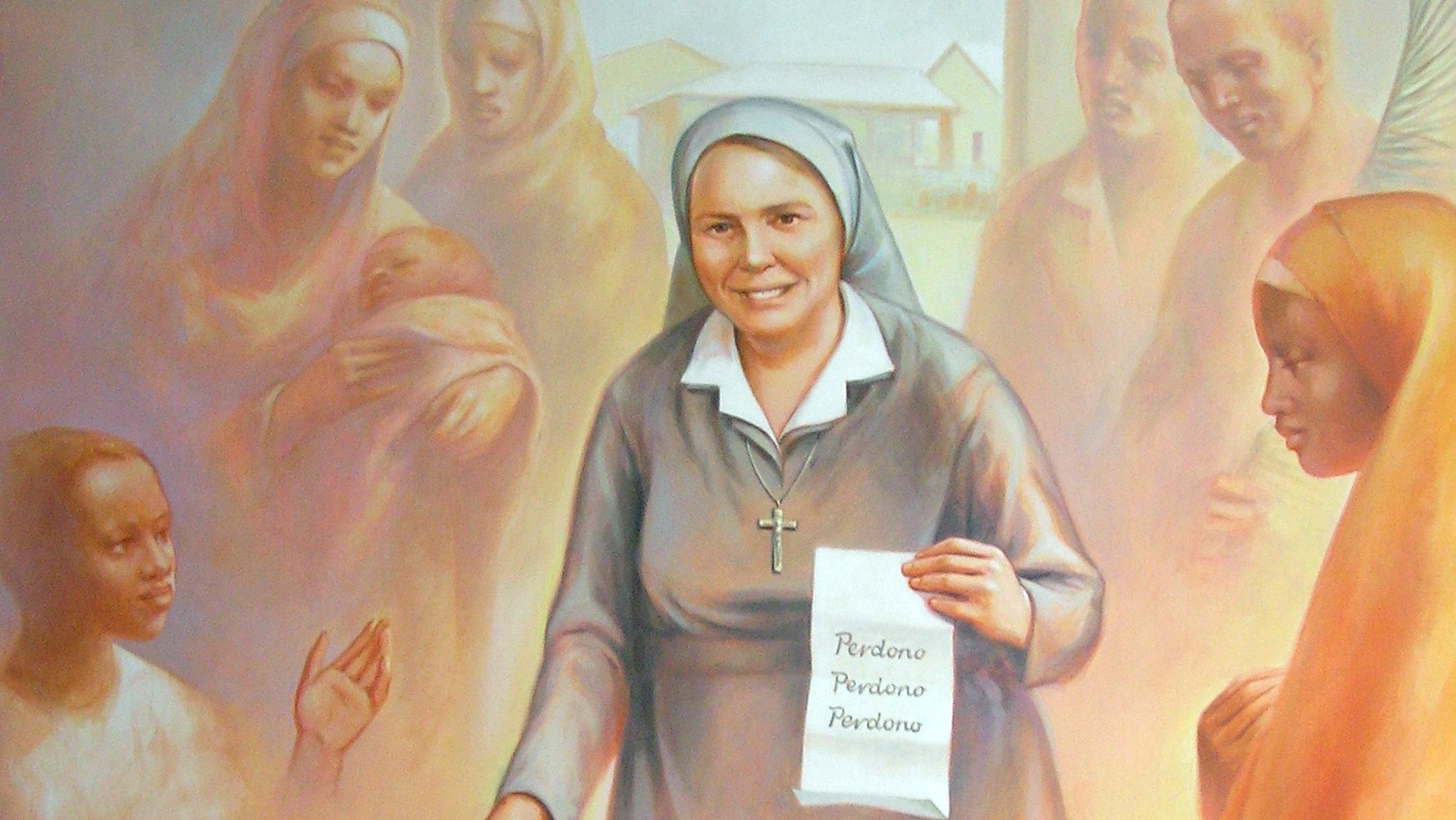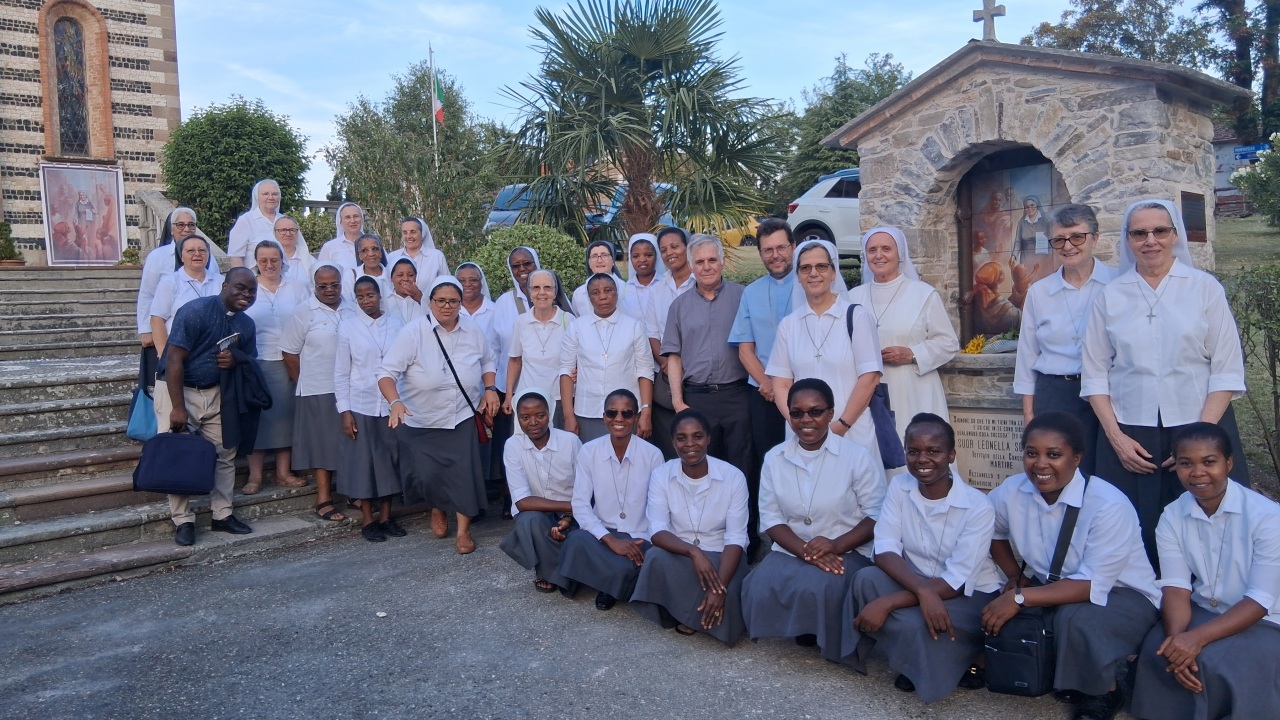

Afghanistan is a country that has suffered the consequences of war for more than two decades. Those who suffer the most are, above all, the most vulnerable, such as children. Saint John Paul II launched the appeal: “Save the children of Kabul,” and religious life responded. Sister Irene Candida, a Consolata missionary Sister, also participated in this wonderful story of charity, encounter, and humanity.
Sister Irene Candida, tell us how the “Pro Bambini Kabul” project, in which you participated, came about.
“Pro Bambini Kabul” (PBK) was a day center for children with disabilities, not severe ones, but with limitations that prevented them from attending public schools.
This center was the answer to a call (and prophecy) from Saint John Paul II, who, as Pope, had asked: “Save the children of Kabul,” when the conflict between Afghanistan and the United States and allied countries began.
The women’s religious life responded with an intercongregational community, starting in 2004.
We Consolata Missionaries arrived in 2017, at the invitation of the PBK Association. Then the General Directorate thought of me, who at the time was living my mission in the United States.
How long did you stay?
Four years. Four years of much grace.
What did your service consist of?
It was a lively, silent, discreet presence. The goal was to promote education for the disabled. The children came in the morning. We taught them to read and write, up to third grade level. At the same time, we worked to recover their physical abilities (morning gymnastics) and help them become independent: knowing how to manage themselves, basically, starting with eating, chewing, and saying a few words. Learning to wash themselves. The parents collaborated in this.
We provided breakfast, lunch, and cultural classes. Those present prayed there, during the hours prescribed by the Islamic religion.
It was a small house; we could only take 45/50 children. But there was no distinction: we accepted all children, of any religion and especially ethnic identity: Pashtun, Sunni, Shiite, and families from the provinces.
It was a family atmosphere, we felt safe there, and we provided the assistance the families needed.
How did the Charism help you in this mission?
The Charism is a source of life, a source of consolation and evangelization. In that society, we couldn’t express our faith directly. But Jesus himself tells us to proclaim it through Christian witness, that is, with our lives. Expressing joy, forgiveness, and smallness. Doing good in silence. And doing good well.
This is the light I also experienced with the Sisters of other congregations. The intercongregational and international community itself was a testimony: we were of different cultures, nationalities, and Charisms, but the goal was one: to share joy, the salvation of Christ, with these children.
Is there a phrase from the Founder—Saint Joseph Allamano—that has most resonated with you?
“Saints first, missionaries later”: that mission taught me to take a step back, to live this gift of the call to holiness. And this call brought me back to doing good quietly. Expressing it indirectly, without hoping for people to applaud.
The Founder invites us to serve with humility and simplicity, trusting that God blesses even what remains hidden. It’s like sowing seeds, letting our deeds speak louder than words.
In the conflict the country was experiencing, the Charism helped me to be open to whatever God wanted. To see this as a gift, a martyrdom. Our Center was never attacked, thank God, but sometimes families couldn’t come because a bomb had exploded; some had lost a father, a grandmother, a family member… This was heartbreaking; it was like dying. The sound of a bomb pushed me to stay there, with them. To give hope and consolation to the people.
What do you take with you from this mission?
The gift of the mission in Kabul has given me great gratitude for the gift of life and of the calling. Gratitude to my Congregation, which has always supported me, especially in prayer. My heart was at peace, even in a context of war. It is a gift, that of inner peace, that I carry with me. And today I want to be this person, a Consolata Missionary, who gives joy and hope.