In Portugal, on the outskirts of Lisbon, the Consolata Missionaries have discovered something: to build dialogue, one must know how to spend—or “lose”—one’s own time. On the street, in a home… by listening, by visiting. This is how dialogue brings about transformation, both on the outside and on the inside.
The Zambujal neighborhood is located in Alfragide, in the municipality of Amadora, within the Lisbon Metropolitan Area. Historically, it developed as a public housing district, welcoming numerous families relocated under state housing programs.
The majority of its inhabitants are immigrants from Portuguese-speaking African countries – specifically Cape Verde, São Tomé and Príncipe, Angola, and Mozambique. The neighborhood has a history spanning approximately 70 years. For a long time, it grappled with issues such as social exclusion, drug prevalence, unemployment, and stigma.
Today, however, the situation is changing: various associations and community projects are promoting education, sports, culture, and social integration. Collectively, these initiatives aim to create a public space that engages the community, strengthening the residents’ sense of identity and solidarity while celebrating the beauty of diversity.
The Consolata Missionaries have been present in this neighborhood for over 20 years, sharing in the joys, fears, challenges, hopes, and aspirations of its residents. While a community of Consolata Missionaries (IMC) is permanently based in the neighborhood, the Consolata Missionary Sisters serve the area from their base in Alvalade, providing comprehensive support to the community. Their activities include COMUZA (Community of the Women of Zambujal), which focuses on human development, support for children, youth, and families, as well as projects for social integration and cultural exchange. Within this mission center, there is a chapel that offers catechesis and Christian formation, alongside daily and Sunday Eucharistic celebrations.
The presence of the missionaries is consistently focused on fostering an atmosphere of welcome, dialogue, and hope within a culturally diverse environment. Although the cultural fabric is extraordinarily rich, social challenges sometimes obscure this beauty. On many occasions, efforts are made to create spaces for self-expression within the context of Eucharistic celebrations.
“You have to learn to spend time with people,” asserts Sister Maria Ivani, who has been accompanying the community for nearly twenty years. It is about weaving relationships, building bonds, and fostering closeness. These are not just empty words: one only needs to walk with her through the streets of Zambujal to see people gather around her to offer a greeting. She knows everyone by name and always asks after their families.
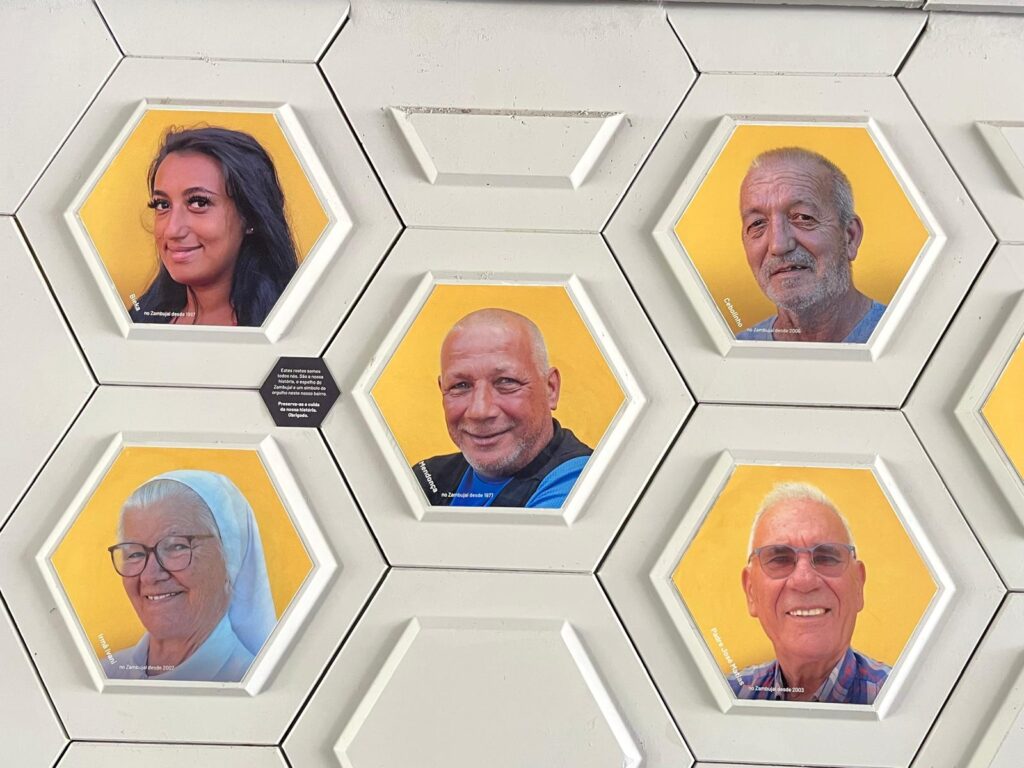
Inauguration of the Renovated Tunnel
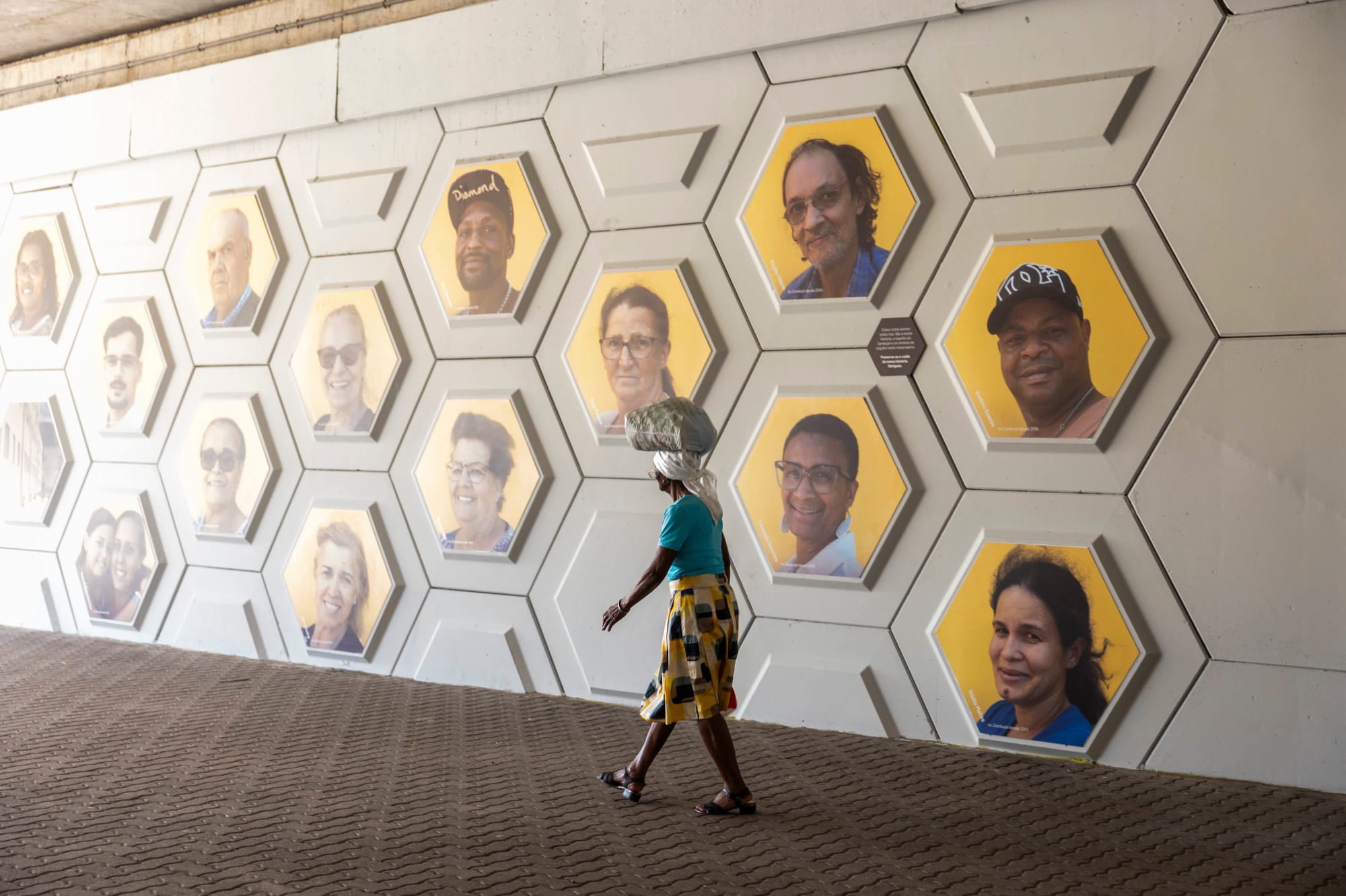
As part of a broader urban revitalization project for the area, Zambujal has created a highly original entrance to the neighborhood by reclaiming a pedestrian underpass. Originally designed to connect various parts of the neighborhood with the surrounding urban areas—allowing people to cross safely beneath major roadways—the tunnel had, over time, become a dangerous space, plagued by drug-related activity, the accumulation of trash, and other behaviors that in no way reflected the true character of the neighborhood.
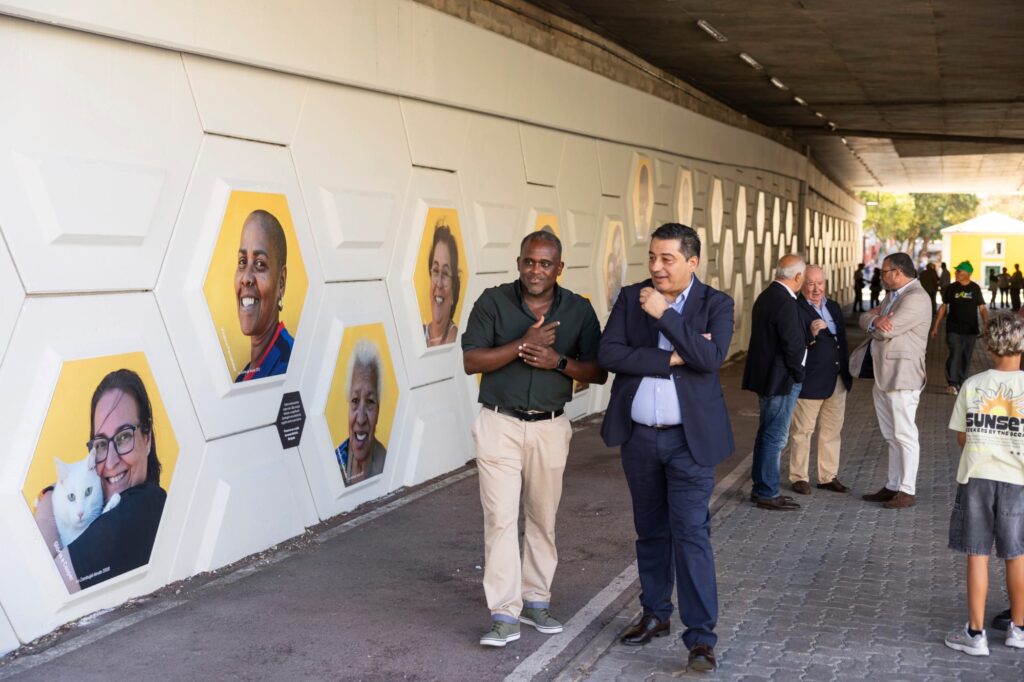
On October 17, 2026, the parish of Alfragide inaugurated a tunnel now home to the “Roots and Life Identities” project. The space has been transformed into a gallery featuring photographs of local residents—from the oldest members of the community to the faces of its youth and children, who represent the future of a collective that holds the hope of continued growth. The initiative also aims to celebrate the identity, history, and roots of the area, giving a voice and visibility to the people who live there.
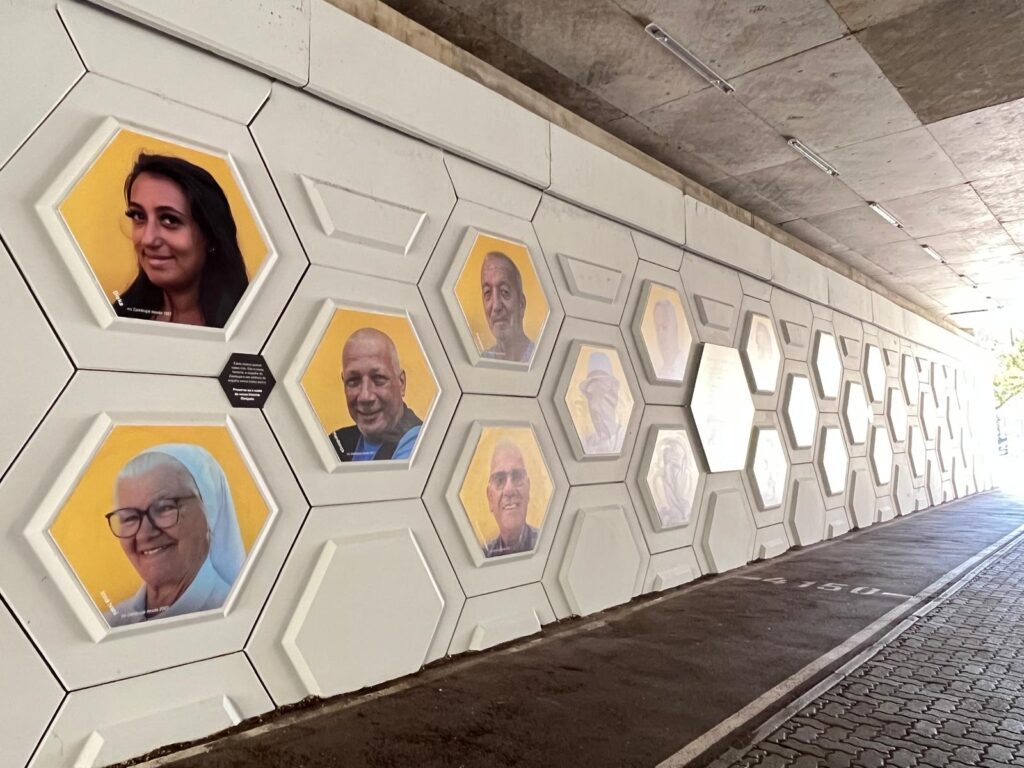
Among the faces depicted in the tunnel are those of Father Matias (IMC) and Sister Maria Ivani (MC); the community deeply values this missionary presence as a symbol of encounter, connection, and transformation. There is a profound appreciation for these missionaries, rooted in their closeness to the people, their capacity to listen, and the hope they offer.
In short, for the residents of Zambujal, the time that Sister Maria Ivani “spends” with them—which some might call “wasting time”—is actually of inestimable value!
As one walks through the tunnel, there is an invitation to look beyond appearances and discover the richness of the people and cultures that make up the neighborhood. At the same time, it serves as a call for all of us to become builders of bridges that connect people. Following the inauguration, a traditional Cape Verdean dish, “Cachupa,” was served, and the afternoon unfolded in a spirit of conviviality, enlivened by music.
Sister Julia Wambui Muya, MC