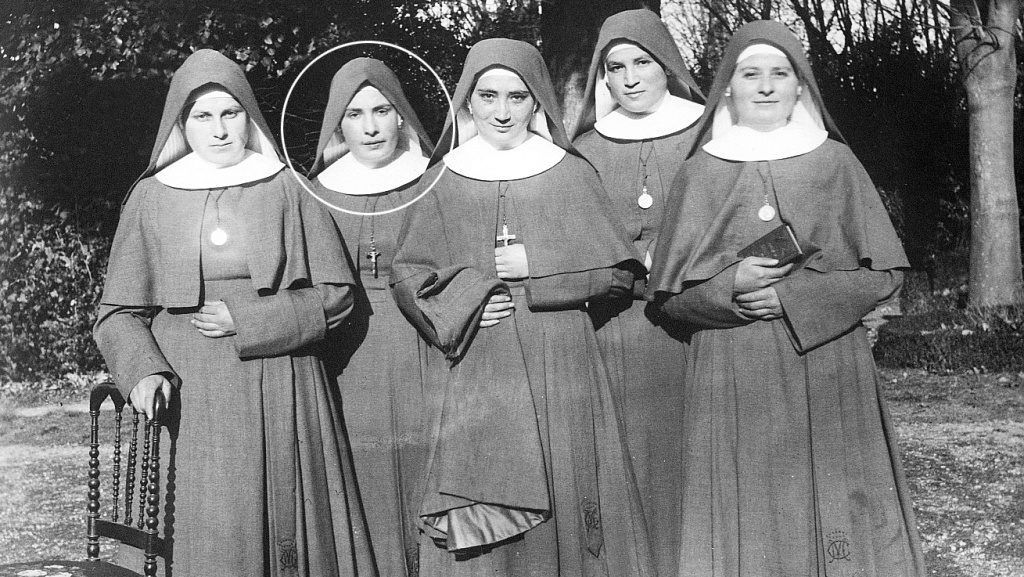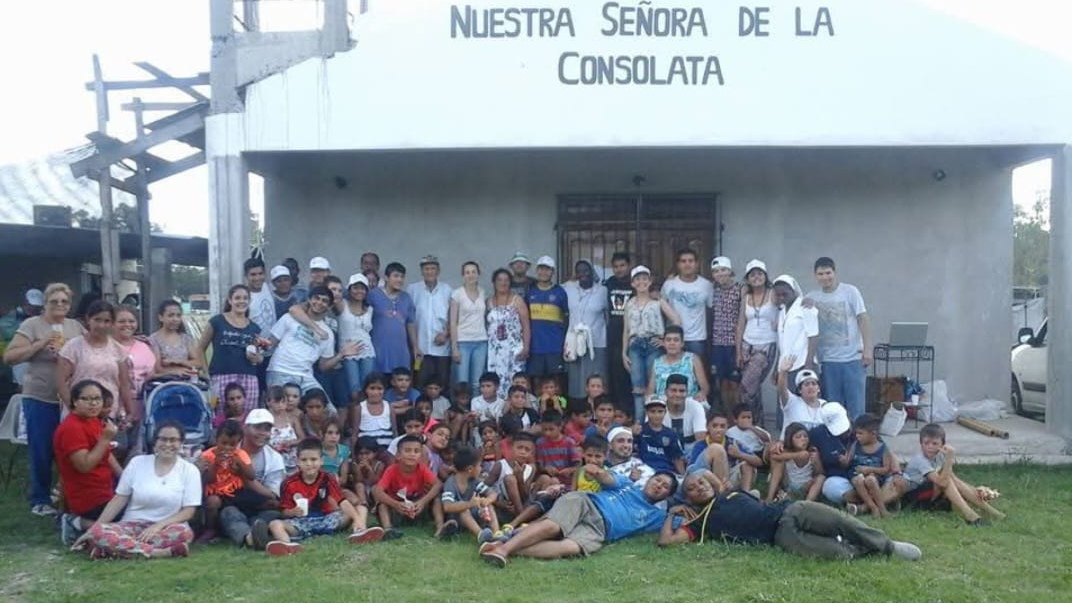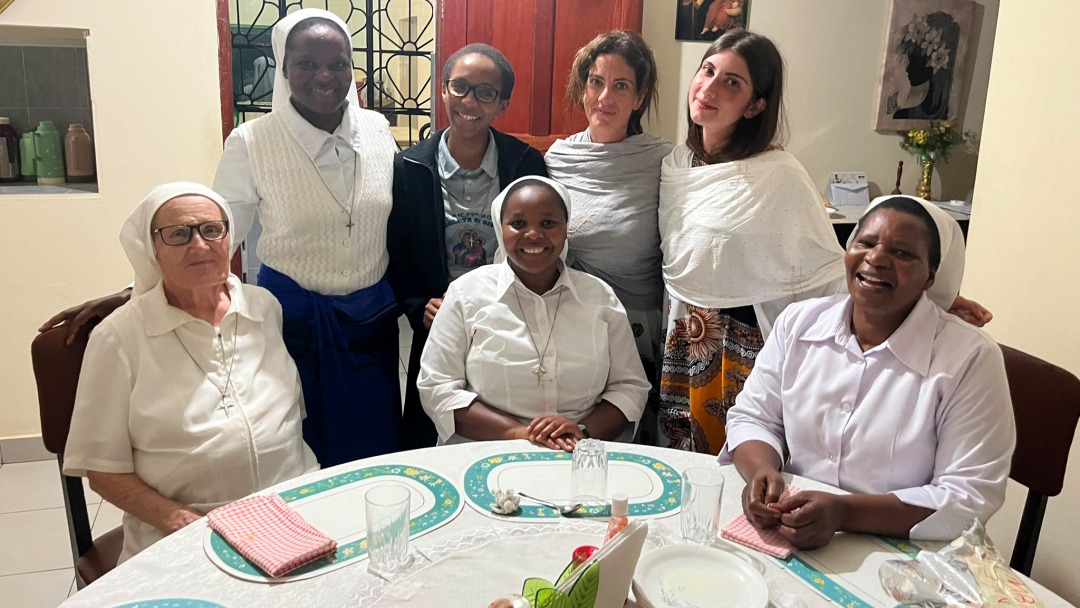
We are still celebrating the centenary of the birth into Heaven of our beloved Founder, Saint Joseph Allamano, who was guided by the Holy Spirit to found our Institutes of the Consolata Missionaries. He left us an example, a concrete model of holiness lived in the silence of daily life, which his daughters were able to grasp and live profoundly.
Saint Joseph Allamano had a very clear idea of the missionary woman: he did not seek mere executors, but complete female figures, capable of combining a profound spiritual life with an almost “maternal” practicality. For him, the mission was not a “job” to be done, but a way of being a woman of mercy, of peace, of infinite charity in the world. As Blessed Irene demonstrated in her life.
The Sweetness of Nyaatha
During Sister Irene’s tireless missionary service in the fields of education and welcoming all, she stood out above all for her gentleness, hospitality, and charity. This is how she is remembered by a missionary (Father Domenico Giglio) who knew her and left a beautiful testimony about her:
She treated both young and old with the utmost gentleness, always ready to help them overcome their small difficulties, to offer them a word of encouragement.
Beyond enriching the minds of young people with new and useful knowledge, Sister Irene’s charity aimed above all at instilling Christian principles in their minds and hearts. With her warm exhortations, her gentleness, and above all, her shining example, she led them, almost without their realizing it, to the practice of the Christian life.
Her charity was not limited to neo-Christians, to pagans but, from the first years she came to Gikondi, she knew how to find the time and manners inspired by sweetness, charity and goodness to be able not only to approach a good number of Protestant students (of whom several had already been baptised by Protestants and were among the older ones), but to gain their complete trust».
We can therefore say that Irene’s most disruptive quality was her ability to be a “mother” to thousands of people without having given birth to any physical children. The name Nyaatha (Mother of Mercy) was not an honorific title, but the description of a fact: she gave her life every day.
The nickname she received from the Kikuyu people, whom she served until the end, embodies the blessedness of meekness, essential for disarming hearts filled with hatred. Her life is summed up in a phrase from the Gospel of Matthew: “Blessed are the meek, for they shall inherit the earth” (Matthew 5:5).
Saint Joseph Allamano said:
“You must be like channels that receive water and then distribute it. If the channel is dry, it gives nothing. Likewise, if you are not filled with God, what will you give to souls? To be true missionaries, you must be holy, truly holy.”
She knew how to offer visceral welcome, that is, to make room within herself for the pain of others.
In Pope Francis’s address to the participants in the plenary assembly of the Pontifical Council for Culture, he seemed to be speaking of Blessed Irene when he spoke of women;
“Women know how to embody the tender face of God, his mercy, which translates into a willingness to give time rather than occupy space, to welcome rather than exclude. In this sense, I like to describe the feminine dimension of the Church as a welcoming womb that regenerates life.”
Sr Hellen Waithera, mc