
Any occasion is a good one for dialogue. All it takes is two or more hearts eager to listen and engage with one another—even in a public square.
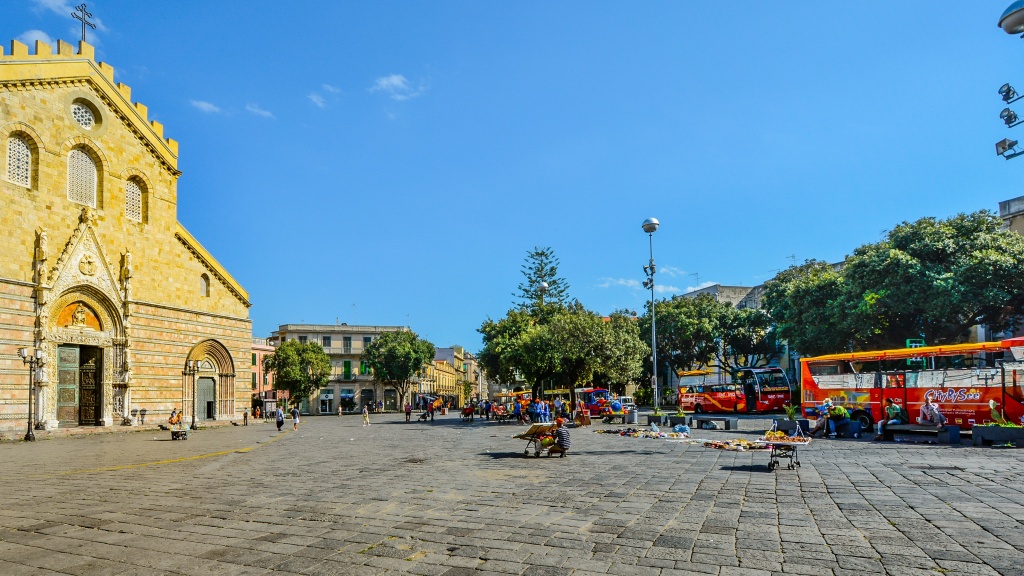
It was one of those late summer afternoons. I was waiting for the temperature to drop significantly before leaving the house. When I reached the town square, I saw two young men sitting on a bench, chatting.
As I walked by, they called out:
“Excuse me!”
I stopped, and they sprang to their feet. They were lanky teenagers, still with the faces of children, their voices in the midst of changing.
Very politely, one of them said:
“Excuse us—my friend and I were discussing something. Could we ask you a question?”
“Of course, go ahead.”
“In your opinion, what is wealth?”
I told them that, to me, true wealth isn’t about having money—after all, there are people with plenty of money who are still unhappy. Wealth is whatever makes a person happy.
They nodded; that was something they had touched upon in their own conversation. One of them continued:
“I’m a bit of an atheist, but… correct me if I’m wrong: doesn’t religion say that there’s an afterlife—that those who have behaved well go to Heaven, and those who have behaved badly go to Hell? Could you explain that to us?”
Uh-oh—things were starting to get a bit more complicated…
My mind raced to the thick volumes of theology I had studied, the decades spent in prayer and Lectio Divina… but how could I explain this to two teenagers—on the spot, in just a few minutes—especially when one of them openly identified as “a bit of an atheist”?
Perhaps they had experienced a loss—a grandfather, a grandmother, or some other relative… What words could I offer them that might be of use in their young lives?
I decided to set theory aside and let myself be guided by experience. After all, 50 years of life must count for something, right?
“No one knows what happens after death. We cannot know until we experience it ourselves. There are intuitions—the Bible touches on them, too, though not in definitive terms. Personally, I am a believer: I don’t have absolute certainty, but I feel that when I die, my friendship with God—whom I experience as a God of life—will continue. Furthermore, when I think of those who have already passed away, I feel that they continue to accompany me; they remain a presence by my side. And so, I understand that there is something beyond death. I cannot prove it mathematically, but I feel it to be true.”
The two young men smiled and thanked me. They both mentioned that they loved philosophy. My heart filled with tenderness; as a high school student, I, too, loved asking such questions—and philosophy, alongside faith, helped me reflect and find answers.
Their clear, bright gazes and their love for questioning gave me great hope for the future. Hardly a day goes by without news of young people mobilizing to demand justice and a future. Many are also deeply committed to peace and the stewardship of Creation.
The Lord brought these two young men—beautiful both inside and out—across my path to show me that, yes, this is how it is. And since I was on my way to Mass, I could only thank Him and entrust to His care the lives, the questions, and the personal journeys of the two young people I had encountered on that sweltering, late afternoon.
Sr. Stefania Raspo, mc